
2026 Purpose Driven Interiors That Feel Welcoming
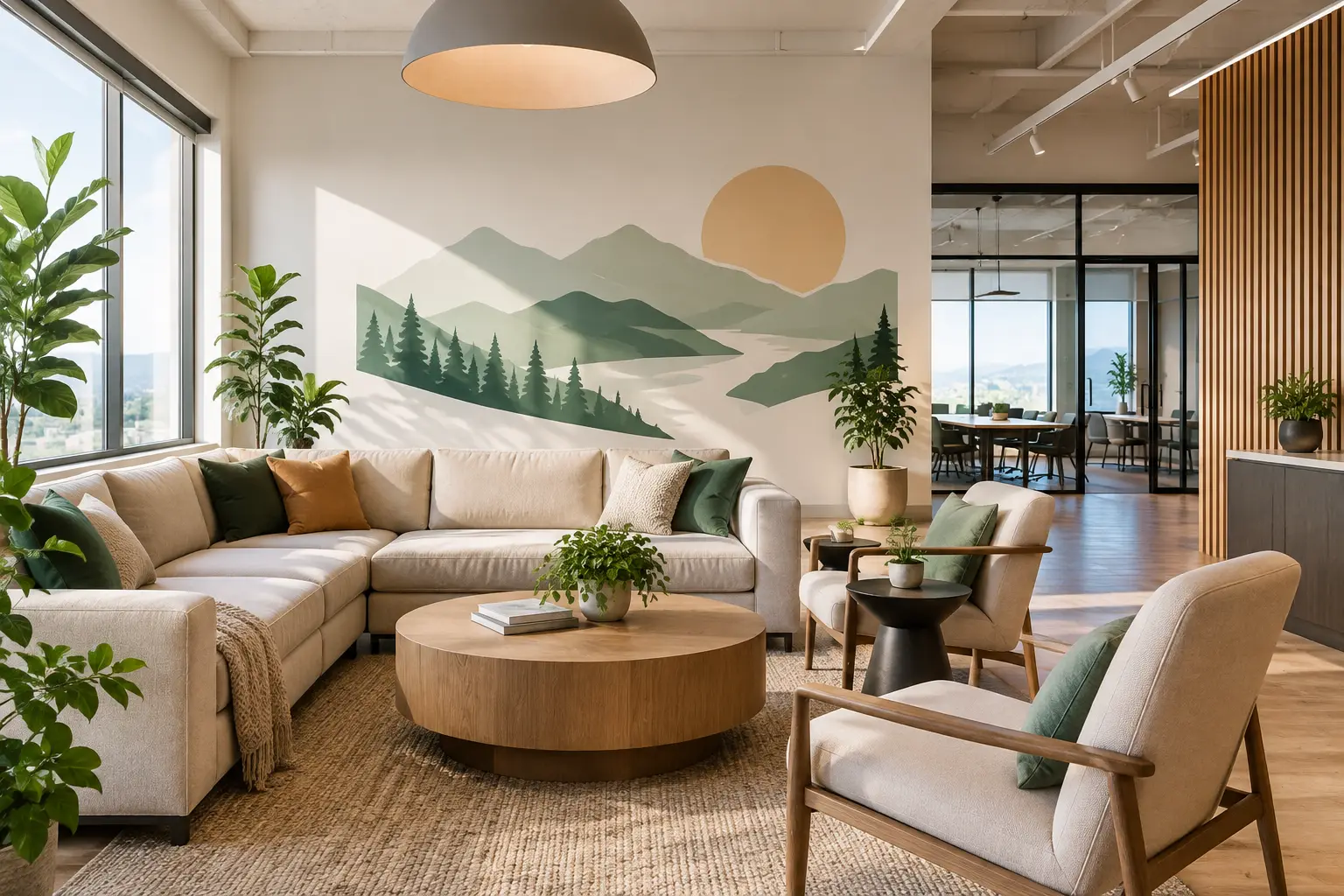
The most memorable spaces do not try to say everything at once. They make one meaningful feeling clear from the moment someone walks in: you belong here, you are cared for, or what happens here matters. That is the heart of 2026 purpose driven interiors. For churches, schools, nonprofits, healthcare offices, and small businesses, the wall is becoming a place to share a story, not simply fill an empty space.
A thoughtfully chosen message can help a first-time visitor feel less uncertain. It can remind a tired team of the people they serve. It can honor the generosity that makes a mission possible. The goal is not to make every surface busy. It is to make the right words visible in the moments when people need them.
What Purpose Driven Interiors Mean in 2026
Purpose driven interiors begin with a simple question: what do we want people to feel here? The answer may be calm in a wellness office, hope in a church lobby, pride in a school hallway, or connection in a nonprofit welcome area. Once that feeling is clear, design choices have a reason behind them.
In 2026, organizations are moving away from generic decor that could belong anywhere. They are choosing interiors that reflect who they are, whom they serve, and why their work exists. That might look like a mission statement in the reception area, a timeline of community impact, a favorite scripture, a set of values in a staff workspace, or a donor display that gives gratitude a permanent home.
This approach is personal, but it is also practical. A visitor should not have to search hard to understand where they are or what your organization cares about. Clear, well-placed wall graphics can communicate a great deal before a conversation even begins.
Start With the Feeling, Not the Font
It is easy to begin a project by looking at colors, font styles, or a favorite quote. Those details matter, but they work best after the message is settled. Start by thinking about the people who enter the space. Are they new families, patients, students, clients, volunteers, donors, or employees? What might they be carrying with them when they arrive?
A medical office may want a gentle message of reassurance near the waiting room. A school might use encouraging language that supports curiosity and kindness. A small business may display values that show employees and customers what guides its work. The words do not need to be long to be meaningful. In fact, a short, honest phrase is often easier to absorb in a busy hallway or lobby.
There is a trade-off to consider. A detailed mission statement can be powerful in a conference room or gathering space where people have time to read it. Near an entrance, a concise welcome message may have more impact. Let the location and the audience guide the length of the message.
Let one message lead
When every wall carries a different idea, people may remember none of them. Choose one central message for each area, then let supporting details build around it. For example, a nonprofit lobby might lead with its mission, while a nearby wall features a few impact statistics and a donor recognition display. The pieces feel connected because they are telling one story.
Make Your Values Easy to See
Values are often written in a handbook, included in a slide deck, or mentioned during orientation. Bringing them into the physical space gives them a more active role in daily life. They become a quiet reminder during a difficult meeting, a decision point, or a moment when a team needs encouragement.
For a workplace, this can mean installing core values in a break room, team room, or entrance. For a school, it may mean using age-appropriate phrases in common areas where students gather. For a church or ministry, it could be a message that welcomes guests and reflects the heart of the community.
The strongest value walls avoid vague language when possible. Instead of relying only on broad words, consider pairing each value with a short explanation of how it appears in everyday actions. “Serve with care,” for instance, becomes more memorable when it is connected to the people and purpose behind the work.
Color, scale, and placement help those words feel intentional. Vinyl lettering can create a clean, painted-on look without the time and disruption of a full mural. Printed wall graphics can add photography, brand colors, illustrations, or a fuller visual story when the message calls for it. Your wall, your designs should feel true to your organization, not copied from someone else’s space.
Design for Real People and Real Movement
Purpose is not only communicated through what you say. It is also communicated through whether people can comfortably read, understand, and experience the space. Before choosing a design, stand where a visitor will stand. Look at the wall from the doorway, the front desk, the waiting area, or the main path through the building.
A beautiful message placed too high, printed too small, or crowded by furniture can lose its effect. Large lettering is especially helpful for key phrases seen from a distance. Smaller details work well closer to eye level, where someone can pause and read. Window decals can also carry a welcome, share office hours, create privacy, or bring a little personality to a glass-fronted space.
Lighting changes the experience, too. A wall that looks perfect in a bright photo may feel different in a softly lit lobby or a hallway with limited natural light. Consider the background color, the finish of the wall, and the contrast between lettering and paint. A design team can help you sort through these details before production, which is especially helpful when you are coordinating a larger project or working from photos of the space.
Leave room to breathe
Not every open wall needs graphics. Blank space gives meaningful words room to land. It also makes future changes easier if your organization grows, adds programs, or wants to recognize new donors. Purpose-driven design is not about covering every surface. It is about using the space with care.
Choose Materials That Match the Moment
Different messages call for different formats. Custom vinyl lettering is a natural fit for quotes, scriptures, values, names, and concise mission statements. It offers a polished look and can be made in colors and fonts that reflect your space.
Printed graphics are useful when your story needs more visual detail. A school might use a colorful hallway graphic to celebrate student creativity. A business may want a branded office wall with a logo, imagery, and a statement of purpose. A nonprofit might combine photos and words to help visitors understand the people behind its work.
The right choice depends on the wall, the message, and how often the design may need to change. Temporary campaigns, event messaging, or seasonal encouragement may call for a different plan than a permanent lobby display. Sharing your goals early helps prevent a design from being more complicated than it needs to be.
Bring People Into the Story
The most meaningful interiors do more than present information. They help people recognize their place in the story. A donor wall says, “Your generosity made this possible.” An employee recognition display says, “Your work is noticed.” A welcome message says, “We prepared this space with you in mind.”
These details matter because people remember how a place made them feel. A visitor may not recall every word on the wall, but they may remember feeling calmer, more hopeful, or more certain that they had come to the right place.
That is why it helps to involve a few people before finalizing a design. Ask staff members, volunteers, students, or regular visitors which words best reflect the organization. Their answers may bring forward a phrase, memory, or value that feels far more genuine than a standard slogan.
A Thoughtful Process Makes the Difference
Busy leaders often know what they want people to feel but are not sure how to turn that into a finished wall. That is completely normal. Begin with a few photos of the space, the message you want to share, and any colors or existing materials that need to be considered. From there, the design can take shape one decision at a time.
Wall Words approaches each project by listening first, because the details behind the message matter. Whether you need a single line of lettering or a complete interior graphic, thoughtful guidance can make the process feel clear rather than overwhelming.
Your walls are part of the welcome you offer every day. Give them words that help people pause, feel seen, and remember why they are there.