
Can Vinyl Lettering Go on Textured Walls? Yes, Sometimes
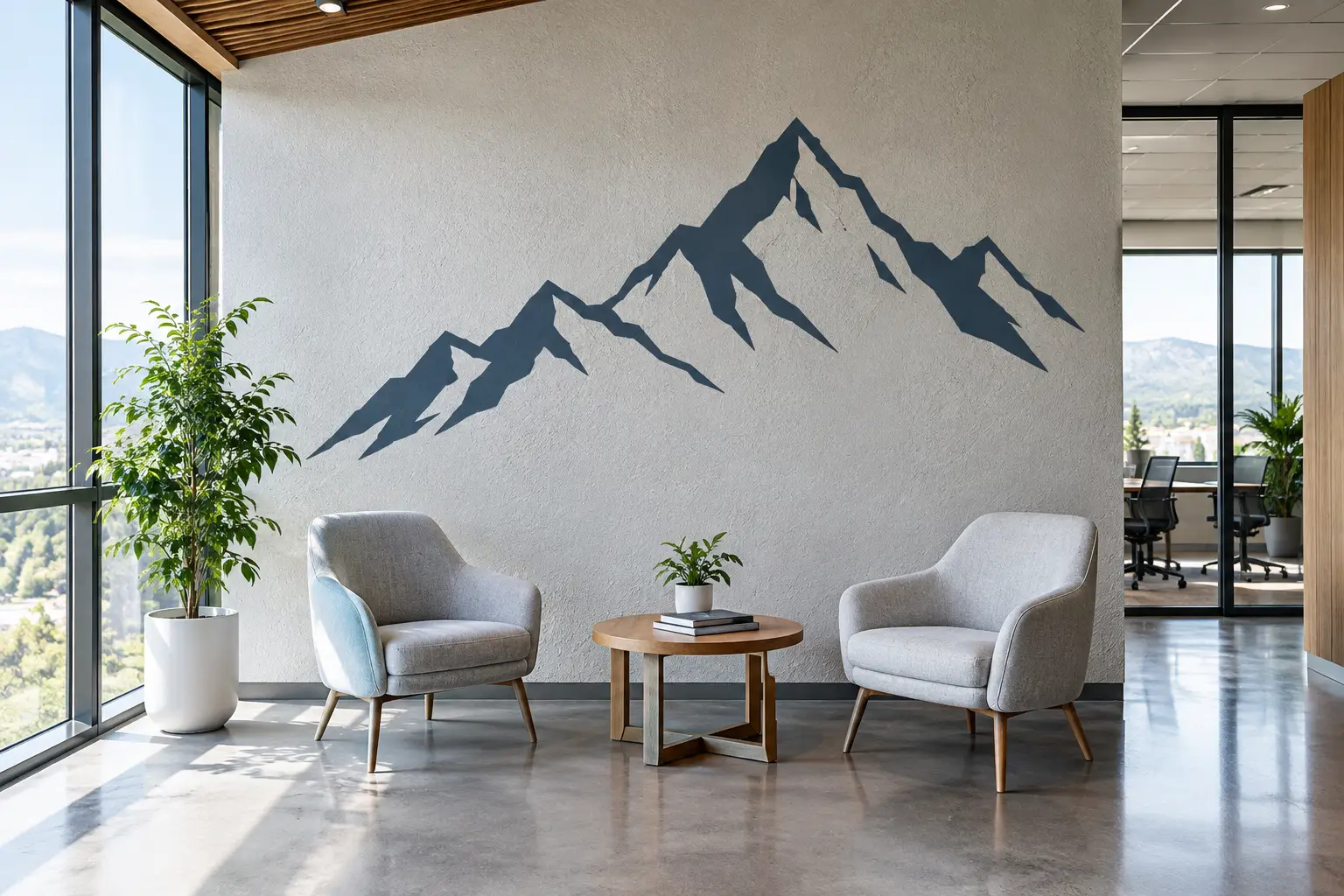
A lobby wall with a mission statement, a school hallway with words of encouragement, or a church welcome area with scripture can make people feel they have arrived somewhere that cares. But when that wall has visible texture, it is wise to pause before ordering. Can vinyl lettering go on textured walls? Sometimes - but the type and depth of the texture make a real difference.
Vinyl lettering is designed to adhere to a smooth, clean surface. On a textured wall, the vinyl must stretch across tiny peaks and valleys instead of making full contact with the paint. A light texture may still give you a beautiful, lasting result. A deeper finish can leave gaps, lifted edges, or lettering that does not stay in place as intended.
Can Vinyl Lettering Go on Textured Walls Successfully?
The short answer is yes, when the texture is subtle and the wall is in good condition. Many painted interior walls have a light orange-peel finish - the gently dimpled texture common in offices, classrooms, and homes. Larger vinyl letters and simple shapes can often work well on this type of surface, especially when they are carefully applied with firm pressure.
Results become less predictable as the wall texture gets deeper. Heavy orange peel, knockdown texture, sand-textured paint, brick, stucco, and heavily uneven surfaces are not ideal for standard vinyl lettering. The adhesive touches only the high points of the wall, which reduces its holding power. Fine details can also get lost in the texture, and thin strokes are more likely to lift.
This does not mean your message has to disappear from the plan. It simply means the material, design, or placement may need to change. A meaningful wall display deserves a solution that looks thoughtful on day one and continues to represent your organization well.
Texture is not the only consideration
Paint condition matters just as much as texture. Vinyl needs a clean, dry, stable painted surface. Walls with peeling paint, chalky residue, moisture issues, or fresh paint can create adhesion problems even if the finish looks smooth.
If the wall was recently painted, allow the paint to fully cure according to the paint manufacturer's guidance before applying vinyl. Paint that feels dry may still be releasing gases beneath the surface, and that can affect how well lettering bonds. Low-VOC paints, stain-blocking formulas, and paints with additives can also behave differently from one wall to another.
How to Tell Whether Your Textured Wall Will Work
A close look and a small test can save time, budget, and frustration. Run your hand over the wall. If it feels mostly smooth with a light, consistent bumpiness, vinyl may be a good possibility. If the surface feels rough, sharply raised, sandy, or irregular, a different display approach may better serve the space.
Photos are helpful, especially when planning a custom project from a distance, but they do not always show how pronounced the texture feels. A clear side-angle photo taken in natural light can reveal much more than a straight-on image. Sharing the wall's finish, paint age, and intended location helps a design team give more useful guidance before production begins.
When practical, test a small piece of vinyl in an inconspicuous area. Apply it using the same method you would use for the final lettering, press it firmly into the texture, and let it sit for a few days. Check whether the edges remain secure. This is not a guarantee of every result, but it is a sensible way to learn how that specific wall responds.
Design Choices That Help Vinyl on Light Texture
If your wall has a mild texture, the design can make installation more forgiving. Larger lettering has more adhesive contact with the wall than small letters do. A bold, clean font also tends to read better and hold more reliably than a delicate script with very thin lines.
Consider the viewing distance, too. A core-values display seen from across a reception area does not need tiny detail to make an impact. Generous letter height, clear spacing, and a color that stands apart from the wall can make the message easier to read while reducing the risk of small pieces lifting.
For a logo or detailed graphic, simplify where possible. Very small dots, narrow borders, and intricate interior cutouts may not settle into a textured finish evenly. A design team can often preserve the heart of your logo or message while adjusting the details for the wall you actually have.
The size of the overall graphic matters less than the complexity of its individual pieces. A large quote in sturdy lettering can perform better than a small logo packed with fine lines. Your wall, your design - but the design should work with the surface rather than fight it.
Application Tips for Lightly Textured Walls
Careful installation gives vinyl its best opportunity to adhere. Start by cleaning the wall with a gentle, non-residue cleaner and allowing it to dry completely. Avoid cleaners that leave a waxy or oily film behind. Dust and everyday residue can keep adhesive from reaching the paint surface.
During application, work slowly and press each section firmly into the texture with a squeegee or other appropriate application tool. Rather than making one quick pass, apply steady pressure across the lettering, paying extra attention to edges, corners, and narrow parts of each letter. On a lightly textured surface, this extra time often matters.
Room conditions can affect the process as well. Apply vinyl in a comfortable indoor temperature range, not on a wall that is very cold, damp, or exposed to strong heat. In bathrooms, kitchens, or other high-humidity areas, texture and moisture together can make standard wall vinyl a less dependable choice.
Once the transfer tape is removed, inspect the lettering from several angles. If an edge is not fully seated, press it again rather than pulling at it. Give the adhesive time to settle before cleaning near the display or placing objects against the wall.
When a Different Option Is the Better Choice
There is no benefit in forcing vinyl lettering onto a surface that cannot support it well. On deeply textured walls, a smooth painted panel, acrylic sign, printed graphic panel, or another suitable sign surface may provide a cleaner, more durable result. These options can still carry the same welcoming message, donor recognition, school value, or brand story you hoped to share.
Placement may solve the challenge, too. A smooth section near an entrance, behind a reception desk, on a door, or on an interior window can become a natural home for the message. Sometimes moving the design a few feet creates a more polished display and makes installation much easier.
For organizations planning a larger wall feature, it helps to think about the purpose before choosing the product. Is the message meant to welcome visitors, guide people through the building, recognize generosity, or remind staff why their work matters? The answer can guide the right material and location. A display that fits its surface well is more likely to feel intentional and remain easy to read.
A Custom Conversation Can Prevent a Costly Guess
Textured walls are one of those details that can look minor until installation day. Bringing the question up early gives you more choices. At Wall Words, the goal is not simply to send lettering and hope for the best. It is to listen to what you want people to feel when they enter the room, then help shape a design that has a practical place to live.
A photo of the wall, rough dimensions, your wording, and a sense of who will see it can start a useful conversation. From there, choices about font, letter size, color, layout, and material can be made with the surface in mind. That kind of planning is especially valuable for busy schools, ministries, nonprofits, healthcare offices, and small businesses that want the finished space to feel welcoming without adding another complicated project to the day.
A textured wall does not have to stand between your organization and a message worth seeing. It simply asks for an honest look at the surface and a design choice that gives your words the support they deserve.