
Custom Office Wall Decals That Tell Your Story
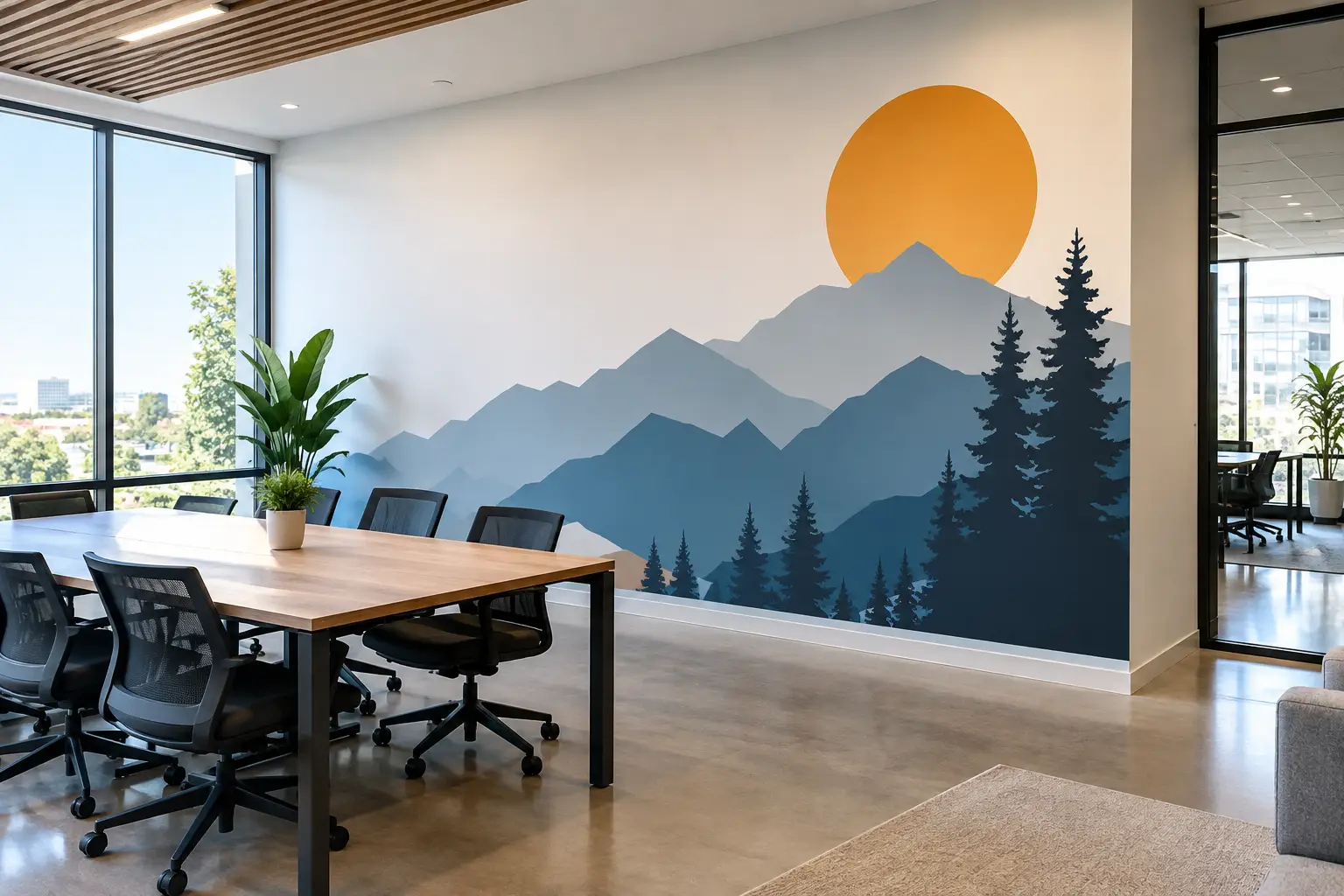
A visitor has already begun forming an impression before the first handshake, meeting, or conversation. They notice the lobby wall, the words near the front desk, and whether the space feels like it belongs to real people with a clear purpose. Custom office wall decals can help make that first impression feel warm, thoughtful, and true to your organization.
The right message does more than decorate a blank wall. It can remind a busy team why their work matters, help a nervous patient feel cared for, recognize the generosity that makes a nonprofit's work possible, or welcome a family into a school or ministry space. Your wall, your designs, your story - made visible in a way people can feel.
What Custom Office Wall Decals Can Say Before You Speak
An office wall has a quiet but meaningful job. It can communicate what your organization values when no one is available to explain it. A mission statement in a conference room can bring a conversation back to its purpose. A few carefully chosen core values in a hallway can reinforce the culture you are working to build. A welcome message at reception can tell guests, "You belong here."
That is why the message should come before the material, font, or color. Begin by asking what you want someone to feel when they enter the room. Encouraged? Calm? Seen? Confident that they have come to the right place? That feeling gives the design direction.
A medical or wellness office may choose soft colors and reassuring words that help patients take a breath. A growing small business might feature its values and a bold logo in the team area. A school could celebrate its mascot, learning goals, and a message of belonging. There is no single right answer. The best choice depends on the people who use the space and the story you want the room to carry.
Start With the Moment That Matters Most
Not every wall needs to say everything. In fact, a focused message often has more impact than a wall crowded with text. Think about how people move through your space and identify the moments where a word, phrase, or image would be most helpful.
At the entrance
Entry walls and windows set the tone. A logo, a simple welcome, or a phrase connected to your mission can make the space feel intentional from the start. This is especially valuable for organizations that welcome new clients, families, volunteers, patients, or community partners throughout the day.
Where your team gathers
Conference rooms, break rooms, and work areas are natural places for mission statements, core values, or words of encouragement. These messages are not meant to be background noise. They work best when they are easy to read and tied to the daily work happening nearby.
For example, a nonprofit might display a short statement about the people it serves. A dental office might share values centered on care and trust. A school staff lounge might feature a reminder that every student deserves to feel known. When the words reflect the real work of the team, they feel more personal than a generic motivational quote.
Along the way
Hallways, stairwells, and transition spaces are often overlooked, yet they are perfect for reinforcing a story in smaller moments. Directional decals can help guests find their way while carrying your visual identity through the building. Donor recognition, historical milestones, student achievements, or short value statements can turn an ordinary walk down the hall into a meaningful one.
Choose a Message People Can Live With
Wall graphics can stay in place for years, so it helps to choose language with staying power. A seasonal campaign phrase may be exactly right for a temporary display, but a main lobby or office feature usually deserves a message that will remain relevant as your organization grows.
Mission statements, values, scripture, a founding belief, and a clear statement of welcome are strong choices because they connect to something deeper than a passing trend. They tell people who you are and what guides your decisions.
Keep readability in mind, too. A long statement can be beautiful, but it may need a larger wall, a thoughtful layout, or a shortened version for people to take it in easily. If a message has several sentences, consider leading with the most memorable line and placing the full wording in a secondary area. The goal is not to fit every word on one wall. The goal is to let the right words be seen and remembered.
Design for the Room, Not Just the Screen
A design can look balanced on a computer and still feel too small, too busy, or too faint once it is installed. Before finalizing custom office wall decals, look at the actual wall from the distance where people will see it. Measure the available space, note nearby doors and furniture, and consider where the light falls during the day.
Scale matters more than many people expect. Small lettering may work for a close-up desk area, but a reception wall needs words that can be read from across the room. A large graphic can make a strong statement in an open lobby, while a smaller design may feel more at home in a private office or consultation room.
Color should support the message and the environment. High contrast helps important information stand out. Softer tones can create a calmer feeling. Brand colors bring consistency, but they do not all need equal attention. Often, one main color paired with a neutral accent is easier to read than a design using every color in a logo.
The material also affects the finished look. Vinyl lettering is a clean, timeless choice for quotes, names, values, and simple logos. Printed wall graphics can be a better fit when your design includes photographs, detailed illustrations, multiple colors, or layered branding elements. Window decals can carry a welcome message or provide a little visual privacy while still allowing natural light into the space.
There are trade-offs. A detailed full-color design may create a memorable focal point, while simple lettering is often more flexible and easy to refresh when messaging changes. A team that is unsure which direction fits best does not have to solve every detail alone. A thoughtful design conversation can save time and help the final piece feel right for the room.
Make Customization Clear From the Beginning
The easiest projects begin with a few practical details: the wall dimensions, a photo of the space, your logo if it will be included, the exact wording, and any colors or fonts you already use. If you do not have all of that ready, start with what you know. A purpose, a rough idea, or even a photo of a wall you want to improve is enough to begin a helpful conversation.
It is also wise to decide early whether the design needs to work across several locations. A school district, healthcare group, or nonprofit with multiple offices may want a shared look with room for each site to include its own name, donor list, or local message. Building that flexibility into the design creates a more connected experience without making every room look identical.
At Wall Words, the process is guided with a White Glove approach because the details matter. From wording and layout through production and installation planning, the focus stays on helping you create something that reflects what matters most to your organization.
Plan for Installation Before Production
A beautiful decal needs a suitable surface and a clear installation plan. Smooth, clean, fully cured painted walls are generally the simplest place for vinyl lettering and decals. Fresh paint needs time to cure, and heavily textured walls may affect how a design looks or adheres. If your wall has texture, unusual paint, brick, or another challenging surface, it is best to discuss it before the artwork is finalized.
Consider who will install the graphics and when the space is available. Many organizations choose easy-to-install decals so their team can complete the project without major disruption. Larger or more detailed interior graphics may call for additional planning, especially in a busy lobby, school hallway, or patient area. Measuring carefully and reviewing placement before application helps the process feel calm instead of rushed.
A few minutes spent preparing the wall and confirming the layout can make a real difference. The finished message deserves to sit straight, read clearly, and feel at home in the room.
Let the Space Carry Your Purpose Forward
The most meaningful office walls are not designed to impress everyone. They are designed to serve the people who walk through that particular door. They reflect the care behind your work, the values that guide your team, and the welcome you want others to receive.
Whether you are adding one hopeful phrase to a reception area or creating a complete wall of mission-driven graphics, begin with the message your people need to see. A well-chosen wall decal can become a small, steady reminder: this work matters, these people matter, and there is a reason we are here.