
Flexible Learning Spaces Trends for Schools
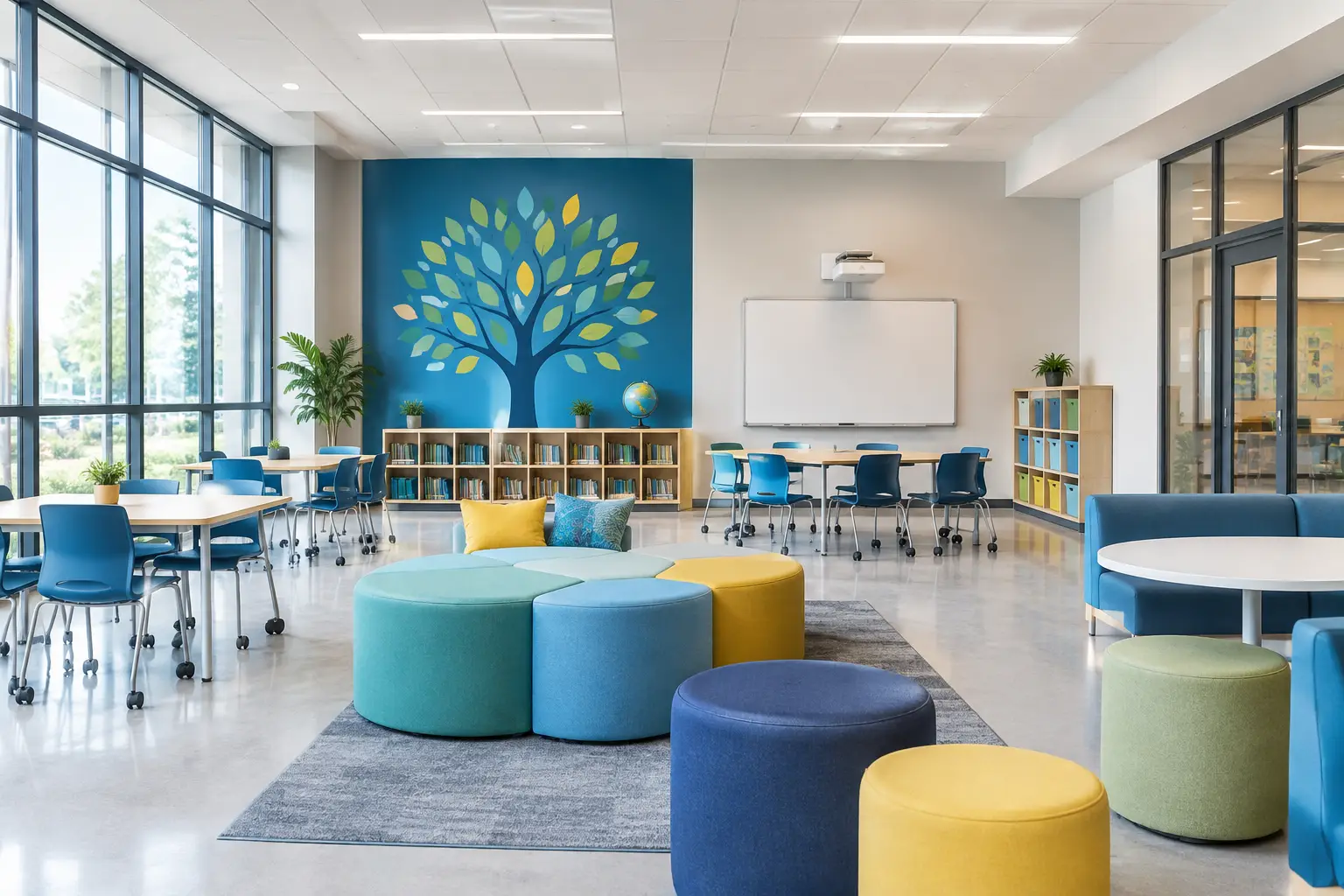
A classroom can change three times before lunch. Students may gather for a read-aloud, spread out for independent work, partner up for a science activity, then circle back for a class discussion. That rhythm is shaping flexible learning spaces trends, and it is changing how schools think about every wall, window, hallway, and shared area.
Flexible learning is not simply about buying movable furniture or making every room look the same. It is about creating spaces that support different ways of learning while helping students, teachers, and families feel grounded in the school’s values. The most meaningful spaces remain clear about who they are, even when the layout changes.
What Flexible Learning Spaces Trends Mean for Schools
At their best, flexible learning spaces give teachers choices. A classroom may include a gathering area, tables for small-group work, quiet spots for focused tasks, and open room to collaborate. Libraries, hallways, and unused corners can also become places for reading, mentoring, student work, or informal conversation.
The goal is not constant movement. Too much flexibility can feel distracting, especially for younger students or learners who need consistency. Instead, the trend is toward purposeful variety: a space that can adapt when the lesson calls for it, while still offering familiar visual cues and routines.
That is where walls matter. When chairs move and tables rearrange, the walls can provide a steady sense of place. A school’s values, encouraging words, learning expectations, mascot pride, or a simple welcome message can help students remember what the space is for.
Trend 1: Defined Zones Without Permanent Walls
Schools are creating distinct learning zones inside one room. Rather than building partitions, they may use rugs, shelving, tables, lighting, or wall graphics to show where one activity begins and another ends.
A reading corner might include a calm phrase about curiosity. A collaboration area might feature prompts that encourage listening, sharing ideas, and trying again. A maker space can display a short process message such as “Imagine. Create. Improve.” These visual markers help students understand how to use the space without adding another set of spoken directions to a teacher’s day.
The best messages are brief, easy to read, and matched to the age group. A kindergarten classroom needs a different visual language than a high school media center. Younger students often respond well to simple words paired with friendly graphics, while older students may appreciate thoughtful quotes, school values, or reminders about ownership and effort.
Trend 2: Walls That Support Learning, Not Just Decorate
There is a growing shift away from filling every wall with unrelated posters. Teachers and school leaders are choosing visual elements that have a job to do: welcome students, reinforce routines, celebrate progress, or connect learning to a bigger purpose.
For example, a hallway can become more than a route between classes. It can tell the story of a school community through student achievements, a timeline of campus history, a donor recognition display, or words that reflect the school’s character. A counseling office can use calming, encouraging language that helps a student take a breath before a difficult conversation. A front office can offer a warm greeting that makes families feel expected and valued from the moment they arrive.
Vinyl lettering and printed wall graphics work especially well for this approach because they can be customized for the message, color palette, and available space. They can be subtle and timeless or bright and energetic. More importantly, they can say something specific to your school rather than relying on generic decor.
Trend 3: Student Belonging Takes a Visible Place
Flexible spaces are often designed around participation. Students are not only sitting and receiving information; they are discussing, building, presenting, creating, and reflecting. As that happens, schools are giving more space to messages that build belonging.
This may look like a welcome wall in multiple languages, a display celebrating each grade level, or a shared statement about how students treat one another. It may include student art, club recognition, college and career inspiration, or visual reminders that mistakes are part of learning.
The message should feel true, not overly polished. A school that says every student belongs should reflect that belief in the spaces students actually use, not only in a framed statement near the main entrance. Consider the places where students wait, transition, eat lunch, ask for help, or spend time before and after school. Those are often the moments when a thoughtful message carries the most weight.
Trend 4: Calm, Focused Areas for Different Needs
Collaboration gets a great deal of attention, but quiet is part of flexible learning too. Many schools are making room for sensory breaks, independent reading, testing, counseling, and focused work.
These areas do not have to be large. A quiet corner, a small room, or a section of the library can feel more supportive with a calm color palette and carefully chosen wall messaging. Short phrases such as “Take a moment,” “You can begin again,” or “One step at a time” can offer reassurance without making the area feel clinical.
It depends on the purpose of the space. A testing room may need minimal visual distraction, while a wellness room may benefit from softer graphics and words of encouragement. Before choosing a design, ask what a person should feel when they enter: calm, confident, welcomed, focused, or ready to participate. That feeling should guide every decision.
Trend 5: Brand and School Culture Beyond the Lobby
Schools have always had traditions, but flexible learning spaces trends are encouraging leaders to carry school identity throughout the campus. This is not about putting a logo on every surface. It is about helping students see what their school believes in wherever they learn.
A mission statement can be adapted into shorter phrases for hallways and classrooms. Core values can become visual anchors in a student commons or staff workroom. School colors can appear in wayfinding decals that help visitors find the library, nurse’s office, or administrative suite. These details bring order to active spaces and make a campus feel connected.
For private schools, faith-based schools, and ministries with educational programs, scripture or faith-centered encouragement may be an important part of that story. For public schools, schoolwide commitments, learner profiles, and student-created messages may be a better fit. The right choice is the one that reflects the community with care and clarity.
How to Plan a Flexible Space Without Losing Focus
Start with the people who use the room most. Ask teachers how the space changes during a typical week. Ask students where they feel comfortable working, where they get confused, and what would help them feel more included. Then identify the few messages the room truly needs.
Avoid trying to communicate everything at once. A wall with too many competing messages can make a flexible room feel busy rather than helpful. Choose one primary message for each zone, leave breathing room around it, and make sure it remains readable when furniture shifts.
Think about installation early as well. Large graphics may be easier to apply before a room is fully furnished. Removable or updateable decals can make sense for seasonal displays, grade-level areas, or changing student leadership messages. Durable vinyl lettering is often a strong choice for mission statements and values that should remain in place year after year.
If your team has a vision but not a finished design, you do not have to figure it out alone. Wall Words works with schools to turn meaningful ideas into custom lettering, decals, and wall graphics that fit the space and the people it serves. From choosing a size and color to planning placement, a little guidance can make the final result feel intentional rather than rushed.
A flexible classroom does not need to look like every other classroom. The most memorable learning spaces make room for movement, curiosity, quiet thought, and connection while still reminding every student, “You belong here, and what you do here matters.”