
How Long Do Wall Decals Last?
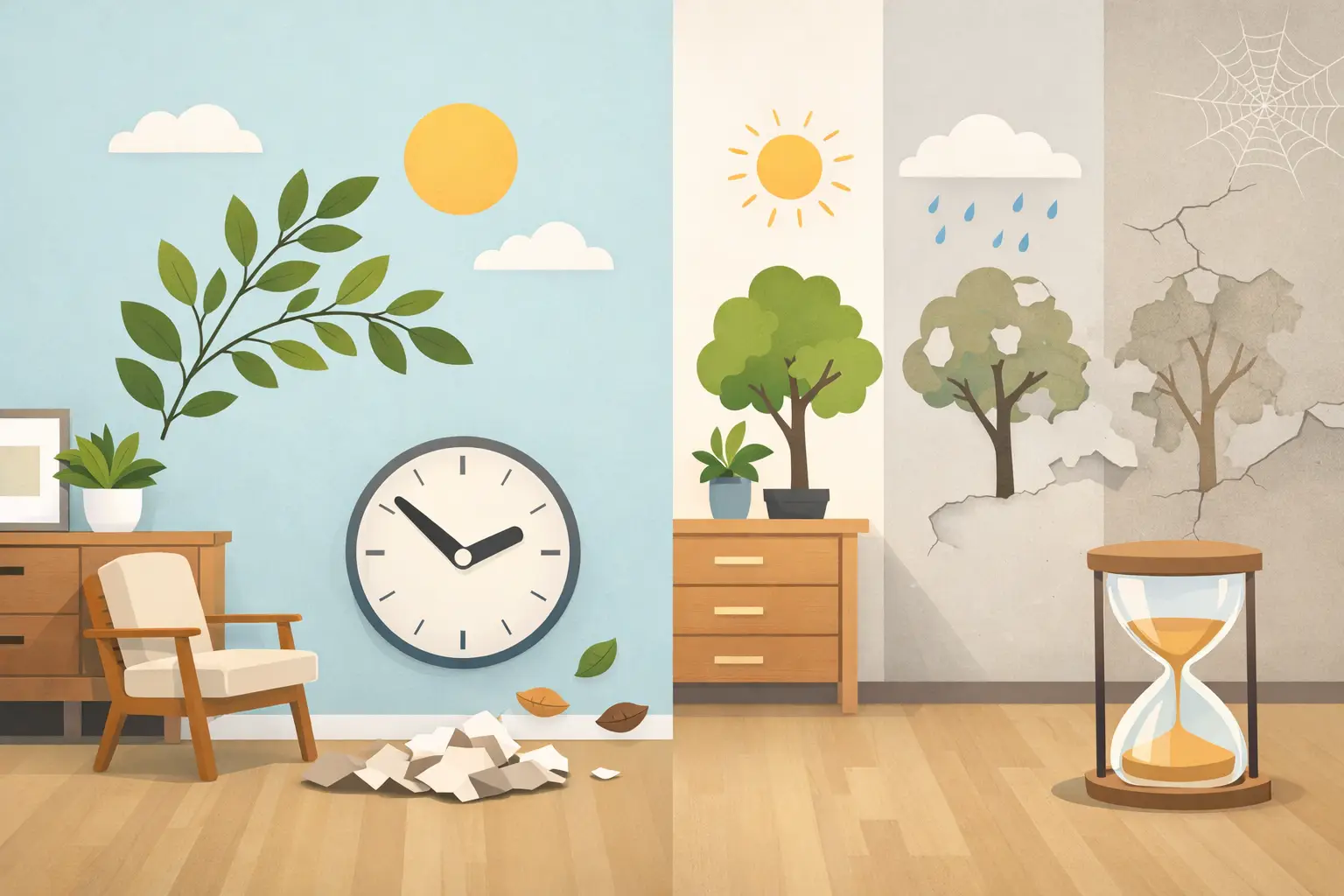
You finally install a wall decal, step back, and it looks exactly right - clean, meaningful, and full of personality. Then the practical question kicks in: how long do wall decals last? If you are adding a mission statement to an office wall, donor recognition to a nonprofit space, or an inspiring quote in a school or lobby, you want something that looks polished not just on day one, but for years.
The short answer is that most high-quality indoor wall decals can last anywhere from 3 to 7 years, and often longer in the right environment. But the real answer depends on the material, the wall surface, the room itself, and how carefully the decal was installed. A decal in a quiet conference room usually ages very differently than one placed in a humid bathroom, a sunny storefront, or a high-traffic hallway where people brush against the wall every day.
How long do wall decals last in real spaces?
For most indoor environments, a professionally produced wall decal made from quality vinyl should stay in place and look good for several years. In many offices, schools, churches, and reception areas, decals remain crisp well beyond the 3-year mark without curling, fading, or peeling.
That said, longevity is not only about whether the decal is still technically on the wall. It is also about appearance. A decal may still adhere after five years, but if the edges start lifting or the color looks tired from direct sunlight, it may no longer deliver the clean, intentional impression you want your space to communicate.
This matters even more in purpose-driven spaces. When your wall graphics carry your values, mission, or brand message, appearance is part of the message. A decal that still sticks but no longer looks polished may be ready for replacement sooner than one in a less visible area.
What affects the lifespan of a wall decal?
Several factors determine whether your decal lasts closer to three years or closer to seven and beyond.
Wall texture makes a big difference
Smooth, clean, well-painted walls are the best surface for wall decals. When vinyl has full contact with the wall, it bonds more consistently and stays flatter over time.
Heavily textured walls are more challenging. Orange peel, knockdown, brick, concrete block, and other uneven surfaces reduce the amount of contact the adhesive can make. That can lead to lifting edges, bubbles, or sections that do not fully stay down long term.
If your wall has noticeable texture, it does not automatically mean decals will fail. It means the expected lifespan may be shorter, and the material choice becomes more important.
Paint quality and cure time matter
One of the most common reasons wall decals underperform has nothing to do with the decal at all. Fresh paint needs time to cure fully. If a decal is applied too soon, trapped gases from curing paint can interfere with adhesion.
A good rule is to wait at least two to three weeks after painting before installation, and sometimes longer depending on the paint type and room conditions. Low-VOC paints and washable finishes can also behave differently, so testing is often wise if the wall was recently updated.
Sunlight can shorten decal life
Direct UV exposure is tough on almost any printed or colored surface. A wall decal placed in bright, sun-filled areas may fade faster than one in a shaded hallway or interior room.
This does not mean decals should never be used near windows. It simply means the expected look over time may be different. In a reception area with lots of natural light, a decal might still adhere well for years but lose some visual sharpness sooner than the same decal placed in a conference room.
Humidity and temperature swings add stress
Stable indoor conditions help decals last longer. Rooms with excessive moisture, steam, or strong temperature changes can challenge the adhesive over time.
For example, a decal in a climate-controlled office will typically hold up better than one in a laundry room, bathroom, or entry area that experiences heat, cold, and humidity swings. In commercial settings, this is especially relevant for glass and wall graphics near doors, kitchens, or treatment rooms.
Installation quality matters more than people think
Even an excellent decal can struggle if it is rushed onto the wall. Dust, oils, residue from cleaning products, or uneven pressure during installation can all reduce performance.
Careful prep helps the decal start strong. That means a clean, dry surface and attention to placement, pressure, and air release during application. If a decal goes on smoothly with full contact, it has a better chance of aging well.
Where wall decals tend to last the longest
Wall decals usually perform best in indoor areas with smooth walls, controlled temperatures, and limited physical contact. Think office interiors, meeting rooms, hallways, classrooms, church lobbies, counseling spaces, and reception areas.
These are often the same places where visual messaging matters most. A core values wall in a staff area or a welcome message in an entry space can remain attractive for years when the conditions are right. In settings like these, decals are not just decorative. They become part of the environment people experience every day.
Where they may wear out sooner
Decals tend to have a shorter life in high-touch or high-stress areas. Busy corridors, children’s spaces, humid rooms, walls exposed to direct sun, and textured surfaces can all speed up wear.
Printed decals with lots of color may also show age differently than simple vinyl lettering. A bold logo wall and a single-color quote can both last well, but printed graphics may reveal fading more quickly depending on light exposure.
That is why there is no one-size-fits-all answer. The same product can perform very differently based on where it is installed and what the environment asks of it.
Signs a wall decal is nearing the end of its life
Most decals do not fail all at once. They usually give subtle signs first.
You may notice corners lifting, small air pockets forming, or edges collecting dust because they are no longer fully sealed. In some rooms, color loss becomes the first clue. In others, the adhesive may remain solid while the surface shows scuffs or wear from daily contact.
For organizations that use wall graphics to reinforce culture or communicate values, this is an important moment to pay attention. If the decal starts looking worn, the wall may still be speaking - just not as clearly as it should.
How to make wall decals last longer
The best way to extend lifespan starts before the decal ever goes up. Choose the right surface, allow painted walls to cure, and make sure the wall is clean and dry before installation.
After installation, gentle care matters. Avoid harsh chemical cleaners, repeated scrubbing, or tape and adhesives placed over the decal. If cleaning is needed, a soft dry or lightly damp cloth is usually the safest approach, depending on the material.
It also helps to be realistic about placement. If a wall gets constant bumps from chairs, backpacks, or carts, the decal may still work there, but it is wise to expect more wear. In those spaces, a design adjustment or different installation area may give you better long-term results.
For custom spaces, good design decisions also support durability. Thoughtful sizing, placement, and material selection can make a noticeable difference. At Wall Words, that is often part of the conversation because the goal is not just to create something beautiful, but something that continues serving the space well over time.
Are wall decals permanent or removable?
Most indoor wall decals are designed to be long-lasting but not necessarily permanent. Many can be removed when it is time for a refresh, a rebrand, or a new message on the wall.
That balance is part of what makes them so practical. You can create a polished, custom environment without committing to paint or major renovation. For schools, ministries, nonprofits, and growing businesses, that flexibility matters. Your space can evolve as your organization evolves.
Still, removable does not mean temporary in a flimsy sense. A well-made decal should feel secure and intentional while it is in use. The goal is lasting performance with future flexibility.
The better question to ask
Instead of only asking how long do wall decals last, it helps to ask how long you need them to look excellent in your specific space. For some organizations, that means a five-year branding element in a lobby. For others, it means a seasonal campaign, a temporary office refresh, or a message that may change as the organization grows.
The right decal should match both your wall and your purpose. When the material, design, and environment work together, wall graphics can stay beautiful far longer than many people expect - and keep reminding everyone who enters the room what matters most.