
Patient Centered Wall Graphics That Calm
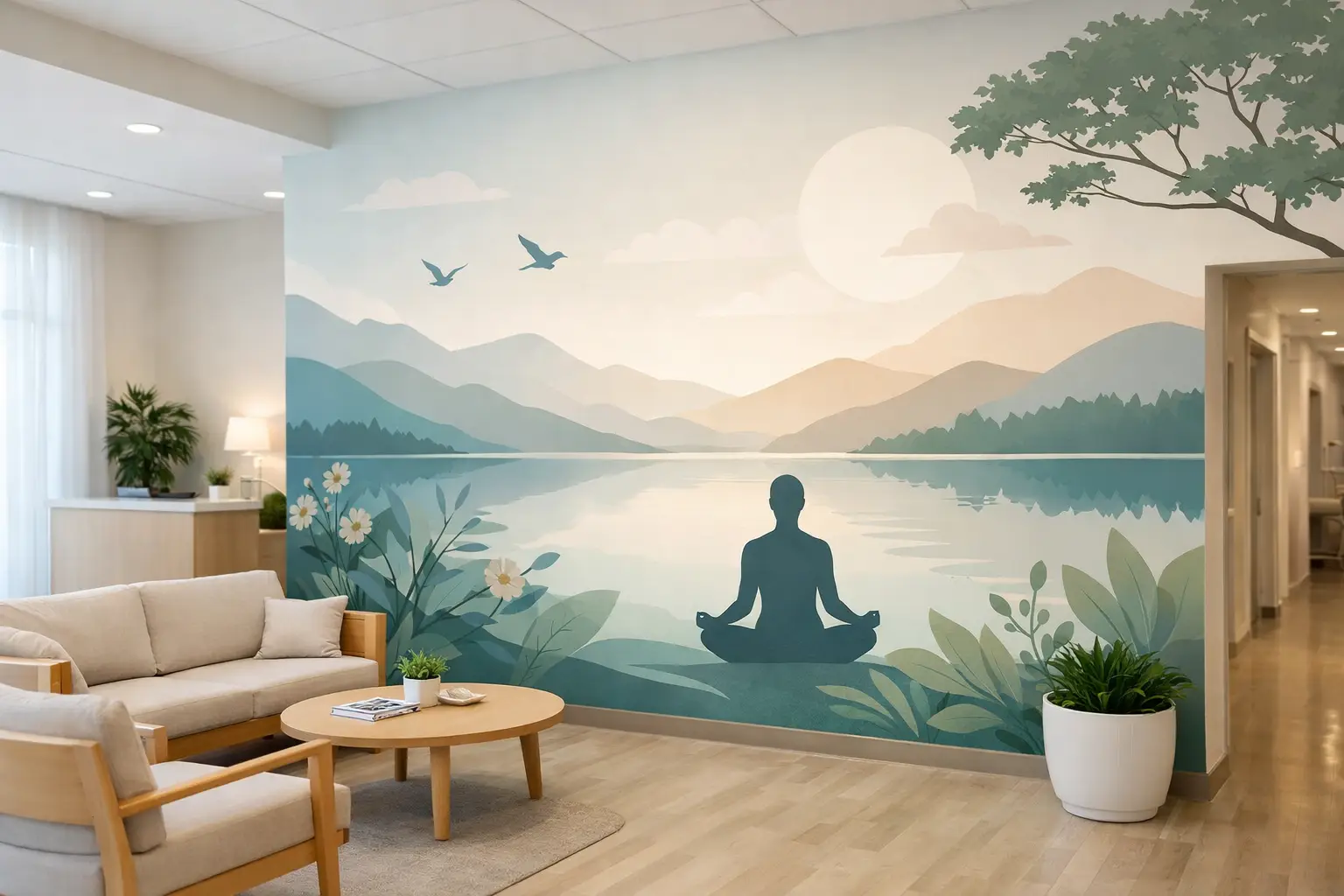
A waiting room starts speaking long before anyone at the front desk does. The colors on the wall, the words near the check-in window, and the imagery in an exam hallway all shape how patients feel in the first few moments. That is why patient centered wall graphics matter so much. In healthcare and wellness spaces, the environment is part of the experience of care.
For medical offices, dental practices, therapy clinics, pediatric spaces, and wellness centers, wall graphics do more than fill blank walls. They help reduce tension, guide movement, reinforce trust, and make a space feel more human. The right design can support your staff, reflect your brand, and help patients feel seen rather than processed.
What patient centered wall graphics actually do
Patient-centered design begins with a simple question: what does the person walking into this space need to feel right now? In some offices, the answer is calm. In others, it is clarity, privacy, reassurance, or even a sense of hope. Wall graphics can support all of that when they are created with intention.
A well-designed graphic package can soften a clinical atmosphere without making the space feel unprofessional. It can bring warmth to a hallway, create a friendlier check-in area, or turn an intimidating treatment room into a more comfortable setting. In pediatric environments, playful visuals can offer distraction and familiarity. In adult care settings, clean typography, nature-inspired imagery, and thoughtful messaging often work better than anything overly decorative.
This is where many offices see the difference between generic decor and custom graphics. Generic art may look nice, but custom wall graphics can be designed around your patients, your services, and the emotional tone you want your space to carry every day.
Where patient centered wall graphics make the biggest impact
The best placements are usually the spots where patients pause, wait, or need direction. Reception and waiting areas are an obvious starting point because they set the tone immediately. A welcoming message, calming visual, or branded statement can make the first impression feel more thoughtful and less transactional.
Hallways and transition spaces are also valuable. These areas often feel purely functional, but they can reduce stress when they include gentle visuals or wayfinding cues that help patients know where to go. In larger clinics, clear environmental graphics can make navigation easier, which matters more than many people realize when someone is already feeling nervous or unwell.
Exam rooms, consultation rooms, and treatment spaces can benefit too, but the approach should be more restrained. Patients spend time looking around these rooms, so every visual choice carries weight. Simple graphics, reassuring phrases, or clean branded elements usually work better than crowded walls. The goal is to create ease, not overstimulation.
Design choices that support comfort and trust
The most effective patient centered wall graphics are usually the ones that feel natural in the space. They are clear, calming, and easy to absorb. They do not compete with signage, overwhelm the room, or feel like an afterthought.
Color plays a major role. Soft neutrals, muted blues, greens, and other grounded tones often help create a sense of calm. That said, it depends on the type of practice. A pediatric dental office may benefit from brighter, more playful colors, while a med spa or therapy office may want a more refined and quiet palette. The right choice should match both your brand and your patient experience.
Typography matters just as much. Clean, readable lettering helps patients feel oriented and informed. Decorative fonts can sometimes work for accent messaging, but in most healthcare environments, legibility should come first. If a patient has to work to read it, it is not helping.
Imagery deserves careful thought too. Nature themes remain popular for a reason. They tend to feel calming, familiar, and widely appealing. Abstract patterns, local landscape references, and mission-based messaging can also work beautifully when they are aligned with the environment. What works less well is anything overly busy, trendy, or disconnected from the emotional needs of the people in the room.
Messaging should feel supportive, not scripted
Words on the wall can be powerful in a healthcare setting, but only when they sound human. Patients respond to messaging that feels warm, respectful, and genuine. A short welcome statement, a phrase about compassionate care, or a values-based message can reinforce the kind of experience your team wants to provide.
This is one of those areas where restraint is helpful. Too much text becomes wallpaper. A few well-placed words often do more than a full wall of copy. In some settings, especially smaller offices, branded visual elements may be enough without adding inspirational language at all.
If your practice serves a specific audience, your messaging can reflect that. Pediatric clinics might use more playful and reassuring phrases. Wellness spaces may want language that feels grounding and restorative. Family practices often benefit from messaging that emphasizes trust, care, and connection across all ages.
Custom graphics versus off-the-shelf decor
There is nothing wrong with ready-made wall art, especially for very small updates. But when a healthcare environment needs to communicate professionalism, consistency, and care, custom graphics usually offer a stronger result.
Custom work allows you to size graphics correctly for the wall, coordinate them with your branding, and choose colors and materials that fit the space. It also gives you control over what patients actually see and feel. Instead of trying to make unrelated decor pieces work together, you can create a visual experience that feels intentional from room to room.
That does not mean every office needs a large-scale redesign. Sometimes a modest set of window graphics, a refreshed reception wall, or a simple mission statement display can shift the atmosphere significantly. It depends on your layout, your budget, and what part of the patient experience needs the most support.
Practical details that matter before you order
Healthcare administrators and office managers usually need more than inspiration. They need a solution that is easy to approve and realistic to install. That is why planning details matter.
Start with your goals. Do you want to make the space feel calmer, improve navigation, strengthen your brand presence, or all three? Knowing the purpose behind the project helps shape the right design approach.
Next, think about the surfaces involved. Painted walls, glass, smooth panels, and textured areas may require different materials or installation methods. This is also a good time to consider maintenance. In healthcare spaces, durability and cleanability are part of the decision, not an afterthought.
Scale is another common challenge. A graphic that looks great on a laptop screen can feel too small once it reaches a large wall. Having design support during this stage makes a big difference because proportion, spacing, and placement are what make a custom piece feel polished.
Turnaround time matters too, especially if you are working around office hours, renovations, or a reopening. Clear communication on production and installation can save a lot of stress later.
Why the experience of creating the graphics matters
For busy healthcare teams, the process should feel supportive from start to finish. Most office managers and administrators are not looking to become design experts overnight. They want a partner who can listen well, translate ideas clearly, and guide the project with care.
That hands-on approach is especially helpful when the vision is still taking shape. Some practices know exactly what they want. Others only know that the space feels cold, dated, or disconnected from the kind of care they provide. Both are good places to start.
When custom graphics are handled thoughtfully, the final result feels effortless to the patient even though a lot of intention went into it behind the scenes. That is often the real goal - creating an environment that quietly supports comfort, confidence, and connection every day.
At Wall Words, we believe the most effective healthcare spaces do more than look polished. They help people breathe a little easier. If your walls have the opportunity to reassure, guide, and reflect the care you work hard to provide, that is space worth using well.