
School Signage That Helps Students Feel They Belong
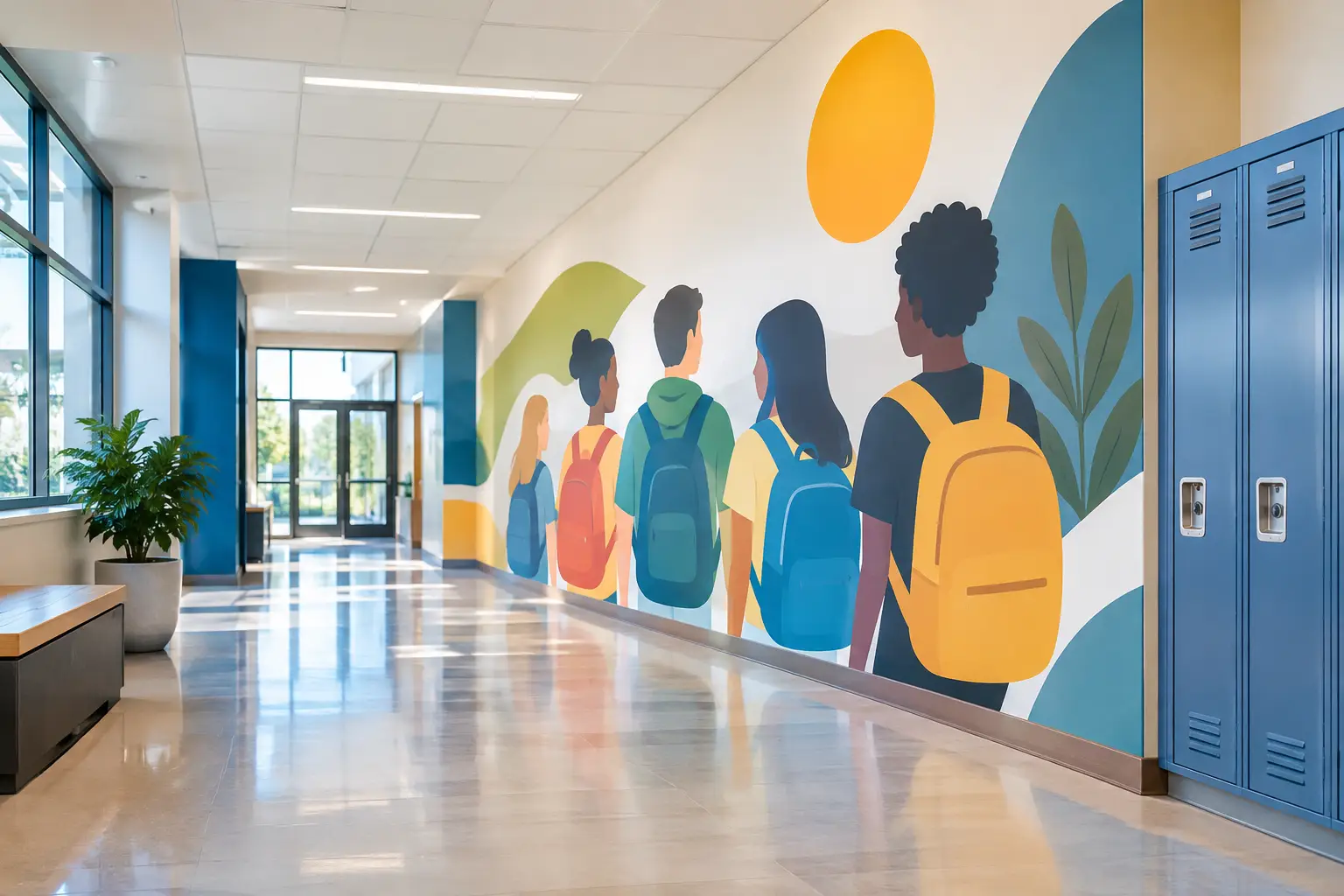
A student’s first few minutes on campus can shape the rest of their day. They may be looking for the office, trying to find a new classroom, or quietly wondering whether they will fit in. Thoughtful school signage does more than point the way. It can offer reassurance, celebrate the people in the building, and remind every student that they belong here.
For busy school leaders and educators, signs and wall graphics can feel like one more item on a long to-do list. But when they are planned with care, they become part of the daily experience of learning. A welcoming entrance, a clear directional decal, or a message of encouragement in a hallway can help a school feel organized, personal, and proud of its purpose.
Start With the Feeling You Want to Create
Before choosing fonts, colors, or wall decals, consider what you want students, families, staff, and visitors to feel as they move through your school. The answer will look different for every campus. An elementary school may want bright, playful energy. A high school may want a polished look that respects students as young adults. A counseling office may need a calmer, more private atmosphere.
This is where meaningful design begins. A school’s mission statement is not just copy for a brochure. Its values are not just words for a staff meeting. When these messages are visible in the right places, they can become daily reminders of how people are expected to treat one another and why their work matters.
A front office wall might welcome families with a warm message and school colors. A main hallway can display a concise version of the school’s values. A staff lounge can hold a message that recognizes the care teachers and support teams give each day. The goal is not to cover every wall. It is to make the words that matter easy to see and easy to remember.
School Signage Should Make Navigation Easier
Wayfinding is one of the most practical uses of school signage, especially on large campuses, in older buildings, or in spaces that welcome frequent visitors. Clear signs reduce the small moments of confusion that can make a new student or parent feel out of place.
Start with the routes people use most often: the front entrance to the office, the office to the nurse or counselor, drop-off areas, restrooms, the cafeteria, the library, and event spaces. Directional wall decals, window graphics, door lettering, and simple arrows can help people move with confidence without adding visual clutter.
Consistency matters here. Use the same color family, type style, and naming convention from one sign to the next. If one hallway says “Student Services,” another should not call the same destination “Support Office” unless there is a clear reason. Familiar language helps visitors find their way faster.
There is also a balance to consider. Large, high-contrast lettering may be best for busy hallways, while smaller signs can work well at doors or reception windows. A cheerful design is wonderful, but it should never make directions harder to read. The most successful wayfinding signs are attractive because they are clear first.
Think About Who Is Reading the Sign
Students, families, staff members, community partners, and guests may all use the same building differently. Younger students benefit from simple language and visual cues. Visitors may need clearer instructions at entrances and offices. Schools that serve families who speak more than one language may choose bilingual messaging for key directions and welcome areas.
Placement is just as important as wording. A beautiful sign cannot help someone if it is hidden behind an open door, placed too high to read, or surrounded by competing posters. Walk the route as if you were a first-time visitor. Notice where you pause, look around, or feel uncertain. Those moments often reveal where a sign will make the greatest difference.
Make Values Visible in Everyday Spaces
The messages students see repeatedly have a way of becoming part of a school’s culture. That does not mean every wall needs a long quote. In fact, a short phrase is often more memorable. Words such as “Be kind,” “Keep learning,” “You belong here,” or a school-created value statement can carry real weight when they are placed thoughtfully.
Hallways, libraries, cafeterias, gyms, and common areas are natural places for encouraging vinyl lettering and printed wall graphics. These spaces are shared by many people, so the message should feel welcoming rather than overly specific to one group. A school mascot, a phrase tied to school traditions, or a visual display of core values can build pride while helping students feel part of something larger than themselves.
Classrooms offer another opportunity. Teachers may use removable decals for reading corners, science areas, growth-minded messages, or classroom agreements. The best choices support learning without competing with student work. If a room already has colorful displays, a clean vinyl phrase in a coordinated color may feel more intentional than adding another busy poster.
For schools with a strong character education program, visual reminders can help values stay present beyond an assembly or newsletter. A message about respect near the cafeteria, perseverance by a testing area, or belonging in a student support space connects the words to real moments in a student’s day.
Celebrate the People Who Make the School What It Is
A school is built by people: students finding their voice, teachers showing up with patience, families offering support, volunteers giving time, and donors helping make meaningful programs possible. Signage can honor that story in a way that feels personal and lasting.
A donor recognition wall can thank supporters while showing students that their community believes in them. A history display can share the school’s milestones, traditions, or founding vision. Student achievement walls can celebrate art, service, academic growth, athletics, and leadership without suggesting that only one kind of success matters.
Consider the tone of these displays. Recognition should feel genuine, not crowded or transactional. Give names, photos, and stories enough room to breathe. If the display may need updates over time, plan for flexible elements rather than creating a wall that is difficult to revise each year.
Staff recognition matters, too. A simple wall in a staff area can share notes of appreciation, a team value, or a reminder that the work they do changes lives. It is a small gesture, but it can make a demanding day feel a little more seen.
Choose Materials That Fit School Life
Schools need graphics that look good while standing up to active hallways, frequent cleaning, and changing needs. Vinyl lettering and decals are a practical choice for interior walls, windows, doors, and smooth surfaces because they create a finished look without the permanence or disruption of some painted installations.
The right material depends on the location. A large mission statement in a lobby may call for precision-cut vinyl lettering. A colorful mascot graphic or visual timeline may work better as a printed wall graphic. Window decals can create privacy or add a welcoming message without blocking natural light.
It also helps to think ahead. Will the school’s values remain the same for years? Is a seasonal display likely to change? Does the wall have texture, or is it smooth and freshly painted? A thoughtful partner can help sort through these details before production, saving time and reducing surprises during installation.
Color samples, font choices, sizing guidance, and a clear proof process all matter. A phrase that looks perfect on a computer screen may need adjustment once it is sized for a long hallway wall. The goal is a design that feels right in the actual space, not just in a file.
Give Your Project a Clear Starting Point
You do not need to redesign the whole campus at once. Begin with one area where better communication or encouragement would make an immediate difference. It could be the entrance that needs a warmer welcome, a confusing hallway, a counseling office, or a wall that is ready to tell the school’s story.
Take a few photos, measure the available space, and write down the message you want people to receive. Then consider the practical details: who will see it, how often it may need to change, and whether it should coordinate with existing school colors. These simple notes give a design team a meaningful place to begin.
Wall Words works with schools across the country to turn those early ideas into custom lettering, decals, and interior graphics that feel true to each community. With thoughtful guidance from design through production, a school can create spaces that are easier to navigate and more encouraging to enter.
The walls your students pass every day are already saying something. With care, they can say: you are welcome, you are capable, and you matter here.