
7 Trends in Nonprofit Office Design
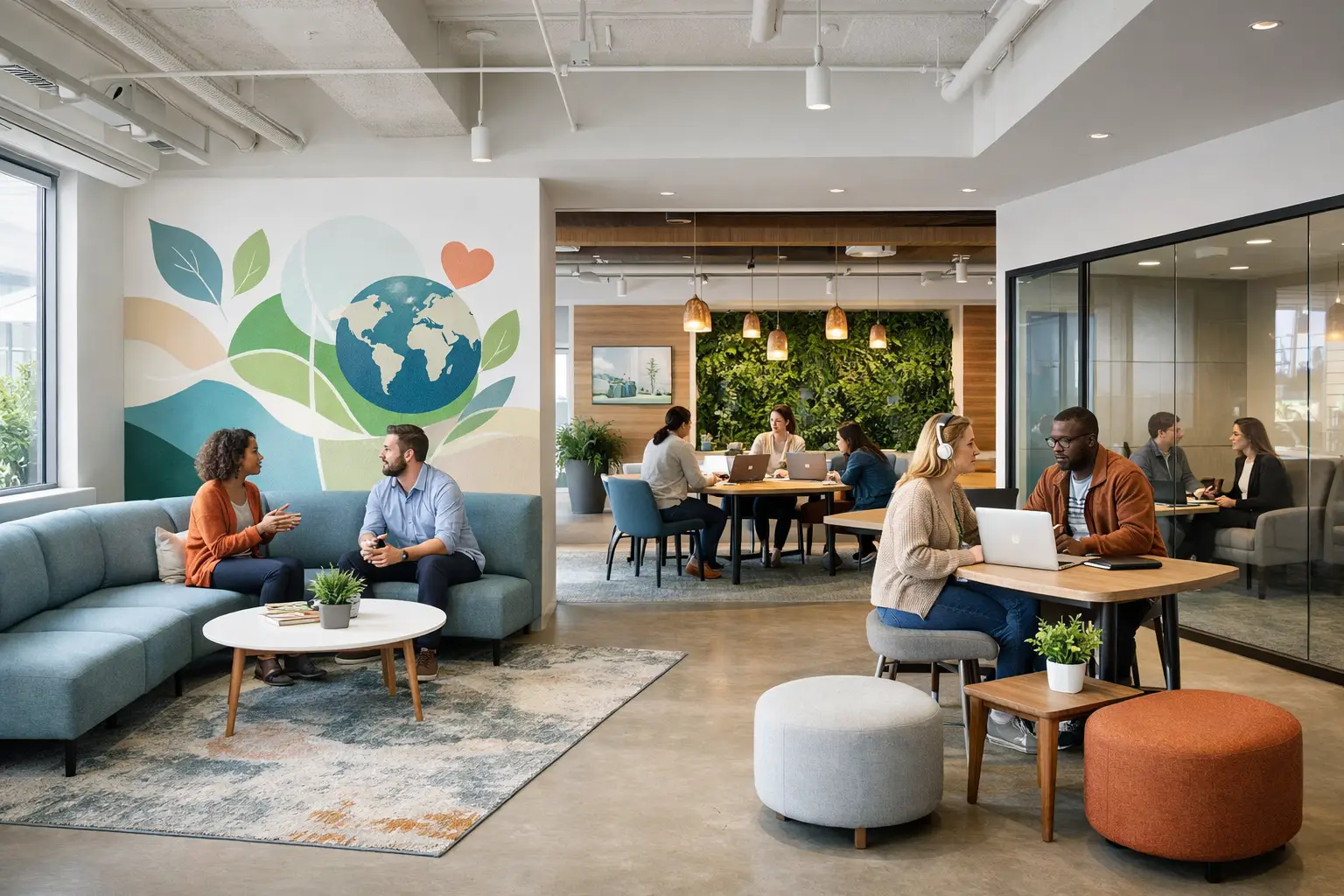
A nonprofit office can tell your story before anyone says a word. That is why trends in nonprofit office design are shifting away from generic workspaces and toward environments that help people feel the mission, trust the organization, and understand what matters most the moment they walk in.
For nonprofit leaders, that shift is more than aesthetic. Your office may need to welcome first-time donors, support busy staff, orient volunteers, host community partners, and reflect stewardship at the same time. The strongest spaces do all of that with intention. They are clear, warm, flexible, and deeply connected to purpose.
Why trends in nonprofit office design are changing
Nonprofits are asking more from their physical spaces than they did a few years ago. Offices are no longer just a place for desks and file storage. They often serve as a front door to the mission, a collaboration hub for teams, and a reassurance point for donors and stakeholders.
That has led to a more thoughtful approach to design. Instead of spending heavily on major renovations, many organizations are looking for affordable ways to create clarity, energy, and connection. Visual messaging, branded interiors, and better use of underused walls are becoming part of that strategy because they make a visible impact without requiring a full rebuild.
There is also a practical side to this. Nonprofit teams are often balancing budget limits, changing staffing models, and the need to make every square foot count. The best design choices now tend to be the ones that work hard, last well, and support both culture and communication.
Mission visibility is becoming a design priority
One of the clearest trends is the move toward mission-forward interiors. In many nonprofit offices, the mission statement used to live on a website, inside a brochure, or in a handbook no one opened often. Now it is showing up on lobby walls, conference rooms, hallways, and shared spaces where staff and visitors actually see it.
This matters because repetition shapes culture. When your mission, vision, and core values are part of the environment, they become more than talking points. They become part of the daily rhythm of the organization.
This does not mean every wall needs text. The better approach is selective placement with strong design. A mission statement in a reception area can set the tone right away. Core values in a staff workspace can support team alignment. Impact messaging in a donor meeting room can reinforce credibility and purpose without feeling forced.
Offices are being designed for both welcome and function
Nonprofit offices often need to serve different audiences in the same day. A staff member may need focused workspace in the morning, a volunteer orientation may happen at lunch, and a donor conversation may take place in the afternoon. Design trends are responding by making spaces more adaptable without losing warmth.
This is why offices are leaning into multi-use layouts with clearer zones. Reception areas feel more intentional. Meeting spaces are becoming easier to reconfigure. Hallways and transition spaces are being used for storytelling, recognition, and wayfinding instead of being left blank.
The trade-off is that flexibility can sometimes create visual clutter if there is no unifying system. That is where consistent interior graphics, shared typography, and coordinated messaging help. They create a sense of order even when a space has to wear multiple hats.
Donor recognition is becoming more integrated
Donor walls are not new, but the style is changing. Instead of displays that feel separate from the rest of the office, many nonprofits are choosing donor recognition that fits naturally into the environment and supports the overall brand.
That might mean a cleaner wall layout, a more modern use of typography, or a display that connects donations to real outcomes and stories. The goal is not simply to list names. It is to express gratitude in a way that feels personal, polished, and aligned with the organization's identity.
There is some nuance here. A formal capital campaign display may still be the right fit for one organization, while another may need something simpler and easier to update. What matters most is that recognition feels intentional rather than added as an afterthought.
Branded interiors are replacing generic decor
Another major shift in trends in nonprofit office design is the move away from filler decor. Generic framed art and off-the-shelf office pieces are giving way to custom visual elements that reflect the organization's actual work, values, and community.
This is where walls start doing real work. Instead of hanging something that simply fills space, nonprofits are using branded wall graphics, quotes, value statements, timelines, and impact-driven messaging to strengthen identity. A blank hallway can become a story of growth. A conference room can reinforce strategic priorities. A volunteer area can communicate appreciation and energy.
Custom does not have to mean complicated. In many cases, it simply means choosing words, colors, and layouts that belong to your organization rather than anyone else's. That kind of design tends to feel more honest, and people can sense the difference.
Staff culture is shaping office decisions
Nonprofit leaders are paying closer attention to how office design affects the people doing the work every day. Recruitment, retention, and team morale are all influenced by environment, especially in mission-driven organizations where emotional investment runs high.
That is why more offices are making room for encouragement, clarity, and identity in staff-facing areas. A culture wall, team values display, or even a thoughtfully designed break room message can remind employees and volunteers that their work matters.
This trend works best when it feels grounded in real culture. If the language on the wall sounds disconnected from daily experience, people notice. But when messaging reflects the actual heartbeat of the organization, it can create consistency and pride across teams.
Simpler updates are winning over expensive renovations
Most nonprofits are not looking for design trends that require major downtime or oversized budgets. They want updates that are realistic, effective, and manageable. That is one reason lower-disruption improvements are getting more attention.
Wall graphics, vinyl lettering, glass decals, and environmental branding can change the feel of a space quickly while staying budget-conscious. They also tend to be easier to phase in over time. An organization might begin with a front lobby, then expand into conference rooms, program spaces, and staff areas as budget allows.
This approach supports stewardship. It helps nonprofits improve the experience of their space while staying focused on the bigger mission. For many teams, that balance matters just as much as the final look.
Design is becoming a communication tool
Perhaps the most important change is that office design is no longer being treated as separate from communication. For nonprofits, the physical environment is now part of how the organization explains itself.
That includes wayfinding for visitors, impact messaging for donors, value statements for staff, and clear branded visuals that make the office feel cohesive. Good design helps people understand where they are, what the organization does, and why it matters.
In that sense, office design is not extra. It is part of the experience you offer everyone who interacts with your mission. And when done well, it can make people feel more confident, more connected, and more ready to engage.
What nonprofits should consider before making changes
Trends can be helpful, but they should not drive decisions on their own. The best nonprofit spaces reflect the people they serve, the work they do, and the message they want to reinforce every day.
Before making updates, it helps to ask a few grounded questions. What should a first-time visitor understand within the first minute of entering your space? Where do staff and volunteers need more encouragement or clarity? Which walls are currently blank but could communicate something meaningful? And which improvements would create the most value without stretching the budget too far?
That kind of thinking often leads to better results than chasing a style. It also helps organizations create spaces that age well, because they are rooted in purpose rather than novelty.
For nonprofits that want affordable, high-impact improvements, custom interior graphics can be one of the smartest places to start. They allow an office to communicate mission, culture, and gratitude in a way that feels polished and personal, without the cost and disruption of a full renovation. Teams like Wall Words often help organizations translate those ideas into designs that are easy to install and built around real-world needs.
A thoughtful nonprofit office does more than look professional. It helps people feel the heart behind the work, and that kind of connection is hard to forget.