
White Glove Installation Review: What to Expect
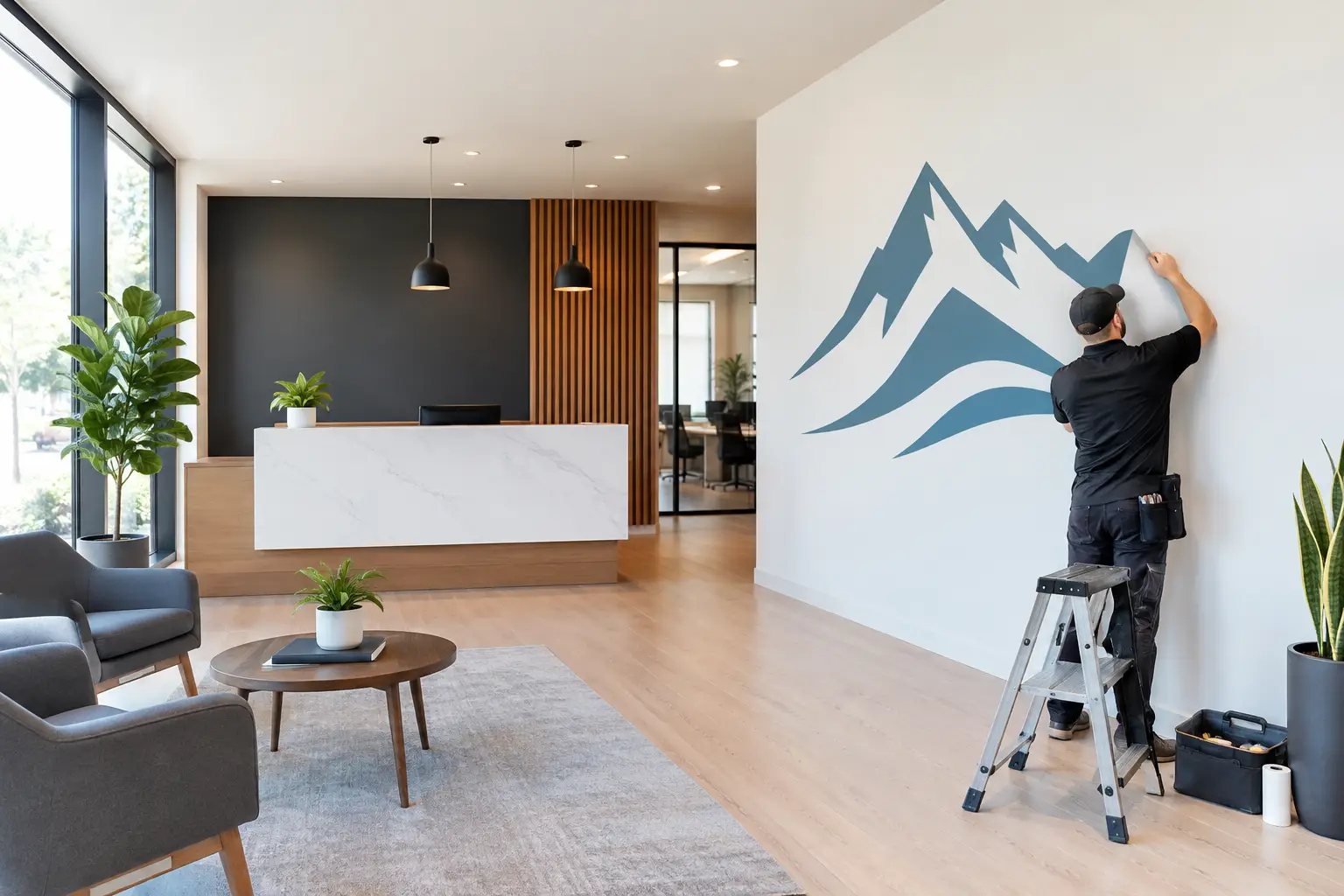
A mission statement can be just a few lines of vinyl lettering, but the decision behind it is rarely small. It may be the first thing a family sees in a church lobby, a daily reminder for a school staff, or a way for a nonprofit to show supporters where their generosity goes. That is why a white glove installation review should look beyond whether a decal arrived in a box. It should consider whether the guidance, design process, materials, and installation support helped make a meaningful idea feel manageable.
For busy leaders, a white glove experience is less about fancy language and more about being cared for when details matter. You should not have to guess at the right size, wonder whether your wall surface will work, or piece together a design on your own after a long day. The best experience brings clear answers early, keeps the project personal, and helps you feel prepared when it is time to place your words on the wall.
What “White Glove” Should Mean for Wall Graphics
White glove service is often used to describe an extra level of attention. With custom wall lettering and interior graphics, that attention should begin before production. A team should listen to what you want people to feel when they enter the space. Is the wall meant to offer comfort? Share your values? Help visitors find their way? Recognize donors? The purpose shapes every practical choice that follows.
A thoughtful process also makes room for the realities of your space. A phrase that looks beautiful on a screen may need a different layout for a narrow hallway, a textured reception wall, or a window that gets afternoon sun. Font choice, color, line breaks, and finished size are not minor details when the message needs to be easy to read and true to your organization.
At Wall Words, white glove care means personal support through the custom design and production process, along with practical installation guidance for projects shipped nationwide. It does not mean assuming every project needs the same approach. A simple doorway message may be ready for easy self-installation, while a large logo wall or donor display may benefit from more planning, extra hands, and a carefully mapped layout.
White Glove Installation Review: The Details That Matter
When reviewing your experience with a custom vinyl lettering provider, start with the support you received before placing an order. The strongest sign of care is not a sales pitch. It is someone asking useful questions and helping you avoid preventable problems.
Was the design truly built for your space?
Custom should mean more than adding a name to a preset template. A church may need scripture arranged around an existing cross or welcome desk. A dental office may want calming words that fit a small waiting-room wall without feeling crowded. A school might need colors that support its existing identity and lettering large enough for students and families to read from a distance.
Look for a design process that helps you think through placement and proportion. Sharing a wall measurement, a photo of the area, and any nearby features such as doors, artwork, outlets, or furniture can make a major difference. A helpful design team can use that information to recommend a layout that feels intentional rather than squeezed in.
Were the materials and instructions easy to understand?
Even a beautiful design needs a clear path from package to finished display. Quality vinyl lettering is designed to create a clean, painted-on look, but applying it calls for patience and a little preparation. Good instructions should explain what is included, which tools you need, how to position the graphic, and how to use the transfer tape without rushing.
A review should also mention whether the material information was honest and specific. Smooth, clean, fully cured painted walls are generally the easiest surfaces for vinyl lettering. Fresh paint needs time to cure before application, and heavily textured walls can affect how well lettering adheres and how crisp it looks. Windows, doors, and other smooth surfaces can be excellent options, but each project still deserves a quick check before ordering.
Did the project feel supported when questions came up?
Installation questions do not always arrive at convenient times. You may unpack your lettering the evening before an open house, or discover that the team wants the message two inches higher than originally planned. A caring customer experience gives you a place to turn for practical help rather than leaving you to start over.
That support can be especially valuable for organizations coordinating volunteers or staff. One person can lead a small application, but larger pieces are usually easier with two people: one to hold and align the graphic and another to smooth it down carefully. There is no prize for rushing. Taking time to measure, level, tape the design in place, and step back before applying it can protect the finished result.
What to Prepare Before Installation Day
The best white glove installation experiences are collaborative. Your provider can help with the design and instructions, while your team prepares the surface and sets aside enough uninterrupted time to install. A calm setup makes a noticeable difference.
Before opening the package, confirm the wall measurement and placement one more time. Clean the application area as directed, removing dust, oils, and residue that may interfere with adhesion. Make sure the surface is dry. If you are applying a larger design, use painter’s tape to hold it in position, check it with a level, and view it from the doorway or main walking path. This is your chance to see the message as your visitors will see it.
Keep the room temperature comfortable and give yourself room to work. Move chairs, tables, and décor away from the wall if possible. For a lobby logo, a long mission statement, or a layered graphic, consider scheduling installation when the space is quiet. A few focused minutes now can save a lot of repositioning later.
When DIY Installation Is the Right Choice
Many organizations choose self-installation because it is practical, affordable, and satisfying. Vinyl lettering and decals are designed to be shipped directly to your location, which makes it possible for a school in a small town, a nonprofit office, or a ministry team across the country to bring its message to life without waiting on a local crew.
DIY is often a great fit for smaller quotes, scripture decals, office hours, directional text, and window lettering on smooth surfaces. It can also be a meaningful team project. Staff members may enjoy applying core values together before a new school year, or volunteers may help prepare a welcome wall before a community event.
Still, self-installation is not the best choice for every situation. If the graphic is especially large, the wall is high or difficult to reach, the surface is unusually textured, or the timing is tight, plan for extra help. The right choice depends on the scope of the project, your comfort level, and the condition of the space. White glove care should help you recognize that difference before the package arrives.
Questions Worth Asking Before You Order
A quick conversation can make your project much easier. Ask whether the artwork is sized for your exact wall, what surface preparation is recommended, and whether a color sample would help you choose with confidence. If you are working toward an event or opening date, ask about the current production timeline and allow time for delivery and application.
It is also wise to ask how the design will arrive. Large graphics may come in sections, while smaller lettering may arrive as one piece. Neither option is automatically better. Sections can make a large wall more manageable, while one piece can preserve the spacing of a shorter quote or logo. What matters is knowing what to expect and having instructions that match your order.
The most helpful providers welcome these questions. They understand that you are not simply choosing a font or color. You are choosing how people will experience your space.
A well-planned wall message does more than fill an empty area. It can greet a nervous patient, remind a teacher why their work matters, help a donor feel appreciated, or show a new visitor the heart behind your organization. Give the project the care it deserves, and let the words on your wall speak with warmth long after installation day.