
Workplace Design Trends That Feel Like Home
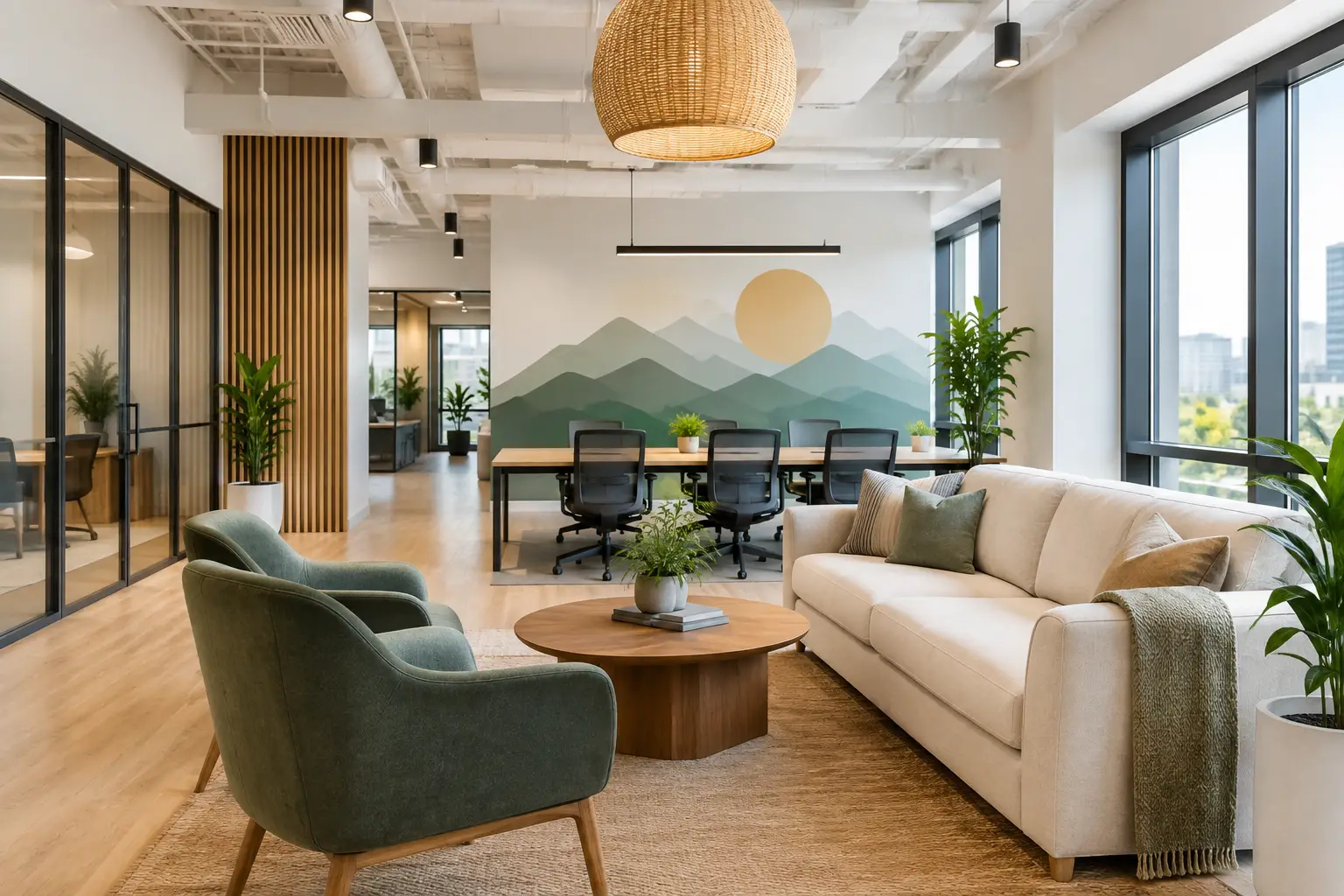
A visitor can learn a great deal in the first few steps through your door. Is this a place that knows why it exists? Does it feel calm, welcoming, and cared for? Can a new employee, patient, parent, donor, or client quickly understand what matters here?
The most meaningful workplace design trends are answering those questions with more than furniture and paint. They are helping organizations create spaces that feel human. A thoughtfully placed mission statement, a warm welcome on a glass entryway, or a wall that recognizes the people behind the work can make an everyday space feel connected to a bigger purpose.
For busy leaders, the goal is not to chase every new look. It is to choose design choices that reflect your people, support the work being done, and make visitors feel they belong.
Workplace Design Trends Are Becoming More Personal
For years, many workplaces aimed for a polished, neutral look that could belong to almost anyone. That approach is shifting. Organizations are choosing spaces with more personality, more warmth, and clearer signs of who they are.
This does not mean every wall needs to be full of color or every hallway needs a large graphic. Often, the most memorable spaces use a few intentional details. A school might display words that reinforce kindness and curiosity. A wellness office may choose a gentle phrase that helps patients take a breath. A nonprofit can share a simple visual story of its mission and the people it serves.
The trend is not decoration for decoration's sake. It is using the environment to communicate care. When a space reflects the heart of an organization, employees and visitors do not have to guess what kind of place they have entered.
Values move from documents to daily life
Core values are often written during a planning session, added to a website, and then rarely seen again. More organizations are bringing those words into the places where decisions, conversations, and collaboration happen.
A values wall near a team gathering area can be a daily reminder that the words are meant to be practiced, not simply displayed. In a school, positive values can support the language educators use with students. In a small business, a concise statement of purpose can help new team members see how their role fits into the whole.
Keep the message readable. A wall is not the right place for a full page of small text. Choose the most meaningful line, phrase, or set of values, then give it enough room to be noticed. Custom vinyl lettering makes this possible without turning the wall into a permanent renovation.
Comfort Is Becoming Part of Good Workplace Design
People are drawn to spaces that feel less clinical, less crowded, and more considerate. This is especially true in medical offices, counseling centers, schools, and ministries, where someone may arrive carrying worry, grief, uncertainty, or a busy day.
Comfort can come from softer colors, natural textures, clear wayfinding, and words that offer reassurance. A welcome message at the entrance does not need to be long to be meaningful. Even a few sincere words can help someone feel expected rather than processed.
There is a balance to consider. A calming space should still be clear and professional. Too many messages can create visual noise, while overly generic decor can make a space feel distant. Start with the emotional experience you want people to have, then choose one or two wall moments that support it.
For example, a dental office may use a clean front-desk logo, simple directional decals, and a comforting phrase in the waiting area. A church lobby may pair a warm welcome with a scripture that reflects its community. Each choice has a purpose, and each one gives the room a little more heart.
Flexible Graphics Make Change Less Intimidating
Organizations change. Programs grow, teams move, campaigns begin, and a new season brings fresh priorities. One reason vinyl lettering and printed wall graphics continue to fit modern workplaces is their flexibility.
Rather than treating every wall update like a major construction project, organizations can refresh a message, add a donor recognition area, or create a temporary campaign display with less disruption. This is helpful for leased spaces, shared buildings, and teams that need to make thoughtful updates without committing to a complete remodel.
Flexibility still requires planning. Before choosing a graphic, consider how long the message is likely to remain relevant. A founding story or core value may deserve a more lasting placement. A fundraising theme, event message, or seasonal encouragement may be better suited for a display that can change later.
The material, wall surface, size, and placement all matter. A design that looks beautiful on a screen may need adjustment once it meets a textured wall, strong sunlight, or a busy hallway. Taking time to talk through those details early can save frustration later.
Clear Wayfinding Is Part of a Welcoming Experience
One of the most practical workplace design trends is also one of the kindest: making it easier for people to know where to go. Clear signs on doors, windows, and walls reduce the small stress of arriving somewhere unfamiliar.
Wayfinding can be especially helpful in schools, healthcare offices, churches, and nonprofit buildings that serve first-time visitors. A simple check-in message, room label, directional arrow, or children’s area marker can make a building feel easier to navigate.
Good wayfinding does more than give directions. It can carry your personality. A pediatric practice may use friendly language and cheerful colors. A professional office may prefer a more restrained design. Both can be clear, welcoming, and true to the organization.
Think through the visitor journey from the parking lot to the final destination. Where might someone pause, hesitate, or need reassurance? Those moments often reveal the best places for signage. The goal is not to label every surface. It is to offer help exactly where it is needed.
Recognition Walls Tell People They Matter
Recognition is becoming a more visible part of workplace and community spaces. Donor walls, volunteer appreciation displays, employee milestones, and legacy tributes give people a chance to see that their contribution has made a difference.
The best recognition walls feel sincere rather than crowded. They are designed with care for the names, the story, and the people viewing them. A nonprofit might pair donor names with a brief statement about the impact those gifts make. A school can honor supporters while creating a display that fits naturally within its campus identity.
There is no single right format. Some organizations need a permanent installation that can grow over time. Others may want a simpler display for an annual event or special campaign. What matters is that the design gives gratitude a visible place to live.
How to Choose Trends That Fit Your Space
Before selecting colors, fonts, or graphics, begin with a few honest questions. What do we want people to feel here? Who uses this space most often? What message would help them feel welcomed, informed, encouraged, or appreciated?
Then consider the room itself. A large lobby can support a bold mission statement or visual focal point. A narrow hallway may be better for a series of short values or directional decals. Windows can carry a welcoming message without taking up valuable wall space. A blank wall near a staff area might become a meaningful place for team culture.
It also helps to decide what should be seen from a distance and what should invite a closer look. Large lettering works well for a short phrase or organizational name. Smaller text can support a story, a list of values, or donor names, as long as people will have time and space to read it.
At Wall Words, the process begins by listening to the vision behind the project. Whether an organization needs a single statement for a reception area or a coordinated set of interior graphics, thoughtful guidance can make the design process feel much more manageable.
Your workplace does not need to look like anyone else's. The most lasting design choices are the ones that make your mission easier to see, your people easier to serve, and every person who walks in feel a little more at home.